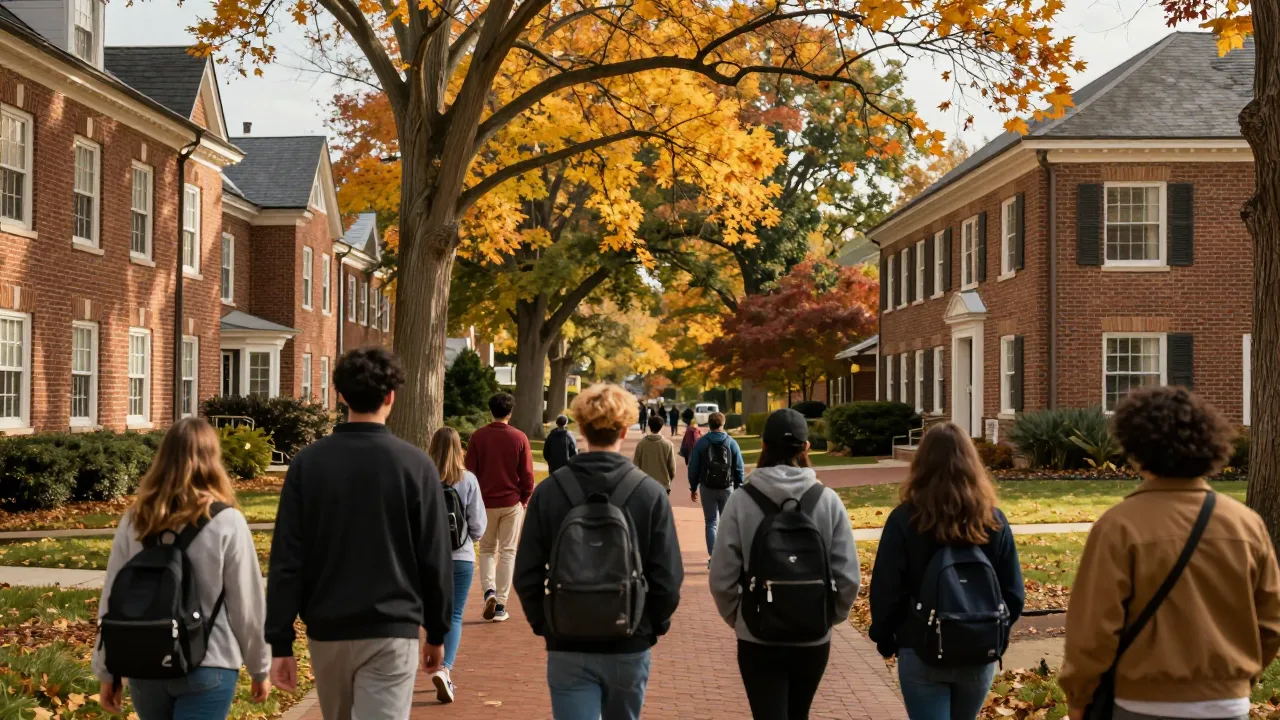
What is Delaware State University?
Delaware State University, often called DSU or Del State, is a public historically Black university in Dover, Delaware. It began in 1891 as the State College for Colored Students and is also a land-grant institution, meaning it has a public mission that includes teaching, research and community outreach. For people searching simply for Delaware State University, the practical answer is that it is a four-year university where students can pursue undergraduate, graduate and professional preparation while attending a campus with a strong HBCU identity. That identity matters when comparing schools, alongside broader college ranking factors students should actually compare.
DSU serves students from Delaware and beyond, with academic options spanning business, education, agriculture, aviation, health-related fields, science, technology and the liberal arts. A university name alone cannot tell an applicant whether a program is the right fit, so prospective students should start with the department page, course requirements and current admissions information. That same research habit is useful for students using tools such as an AAMC PREview exam guide for medical-school planning.
Why Delaware State University gets attention
Interest in DSU often rises during application season, athletic events, graduation and campus news. Its HBCU status is central to that attention. Historically Black colleges and universities were founded to expand access to higher education when Black students were largely excluded from many institutions. Today, they remain important academic and cultural communities for students of every background.
At Delaware State, campus traditions, student organizations, marching-band culture and athletics can be as meaningful to the college experience as a major course schedule. Families weighing that environment may also want to think beyond headlines, much as sports followers look past a single AP Top 25 football ranking when judging a program. Visit days, conversations with current students and a campus tour can reveal more than a broad reputation can.
Programs and career preparation
The most useful way to assess DSU is by the program you intend to study. Look at the required classes, faculty specialties, internships, laboratory access, accreditation where relevant and typical paths after graduation. Students considering health professions should ask whether a major supports their prerequisite plan, while future teachers should confirm licensure pathways. Those drawn to technology should compare the curriculum with the practical skills expected for an iOS beta software testing career path or another fast-changing digital field.
A degree is not a guarantee of a job, but a well-chosen program can create useful structure: internships, mentors, alumni contacts and a portfolio of work. Students who want flexible income while studying should still be cautious about big earnings claims. It is smarter to evaluate legitimate paid online writing jobs for beginners seeking flexible student income as carefully as they would any employer or course.
Admissions, tuition and financial aid
Admission requirements, deadlines and tuition can change by term and student type. First-year applicants, transfer students, international applicants and graduate applicants may follow different processes. The reliable approach is to use the current university admissions pages, submit complete documents early and ask questions before deadlines pass. Do not rely on an old social-media post for costs, housing availability or test-score policies.
Financial aid is equally personal. The published price is not always the amount a student will pay after grants, scholarships, work opportunities and loans are considered. Complete the required aid forms on time, compare aid offers line by line and separate grants from money that must be repaid. Families concerned about borrowing can also follow broader economic signals, including how the 10-year Treasury yield can influence borrowing costs, while remembering that student-loan terms depend on the specific program.
What campus life may feel like
Dover offers a smaller-city setting rather than the pace of a major metropolitan campus. For some students, that can mean a close-knit environment and less distraction. Others may want to ask about transportation, internships, weekend activities, residence halls and access to nearby cities before deciding. A campus visit should include practical questions about meal plans, safety resources, tutoring, counseling and the actual distance between housing and classes.
Student life also depends on what you make of it. Joining a club, attending performances, volunteering or participating in recreation can help a new student build connections. Creative students may explore activities beyond their degree, such as an Pianoforall online piano course for adult beginners who want to play songs, but should protect study time and avoid treating any outside program as a substitute for academic support.
Athletics and the Hornet community
DSU teams are known as the Hornets, and athletics can be a visible part of campus spirit. Prospective student-athletes should contact the relevant coaching staff, understand eligibility requirements and keep their academic plan at the center of the decision. Fans who enjoy college competition can also follow other regional storylines, from Virginia Tech football coverage and season updates to national basketball conversation around the 2026 NBA playoffs.
For non-athletes, games can still be an easy way to meet people and experience school traditions. But the right university choice rests on the everyday reality of classes, support services, affordability and belonging, not only a game-day atmosphere.
How to decide whether DSU is right for you
Start with a short checklist: Is your intended major available? Can the likely aid package make the cost manageable? Does the Dover location work for you? Can you picture yourself participating in the campus community? Then compare the answers with two or three other institutions. toughestblogger recommends focusing on direct evidence, including program details, a visit and conversations with admissions staff, rather than relying on rankings alone.
Finally, make room for a practical backup plan. Build study habits, investigate tutoring before you need it and consider realistic work options such as virtual online assistant work for students seeking remote experience. Delaware State University may be an excellent match for students who want an HBCU community, a public-university setting and a program aligned with their goals. The best next step is to verify current requirements directly with DSU and decide based on your own academic and financial needs.
People also ask
Is Delaware State University an HBCU?
Yes. Delaware State University is a public historically Black college and university in Dover, Delaware.
What is Delaware State University known for?
It is known for its HBCU community, land-grant mission, academic programs and Hornets athletics.
How should I check current Delaware State University admission requirements?
Use the university's official admissions information for your applicant type, then confirm deadlines, documents, costs and financial-aid steps directly with the school.