Resident Evil movie reviews, the short answer
The live-action Resident Evil movies are best approached as flashy, loosely connected zombie action films, not as faithful screen versions of Capcom's games. Reviews across the series have often been mixed to negative, especially from critics who wanted stronger characters, sharper storytelling, or more recognizable game elements. Yet the films developed a substantial audience because they move quickly, use striking production design, and commit to their absurd science-fiction horror premise. For viewers comparing recent franchise reaction, our guide to Practical Magic 2 reviews and early audience response shows how expectations can shape a sequel conversation before a film has settled into its own identity.
If you want one recommendation, start with Resident Evil from 2002. It remains the clearest entry point and the film most likely to work for a viewer with no prior knowledge. Then try Resident Evil: Apocalypse if you want more creatures and city-scale chaos, or Resident Evil: Afterlife if stylized 3D-era action is your priority. The 2021 reboot, Resident Evil: Welcome to Raccoon City, is a separate attempt with more direct game references. It is not necessarily the better movie, but it is the more recognizable adaptation.
What critics and fans tend to agree on
The central split in Resident Evil movie reviews is simple. Critics frequently object to thin plotting, repetitive mythology, and the distance from the games. Fans who enjoy the series tend to value something else, namely its confidence as B-movie spectacle. The movies treat underground laboratories, corporate conspiracies, mutated creatures, and apocalyptic cityscapes with total seriousness. That conviction gives even the weaker installments an oddly durable identity.
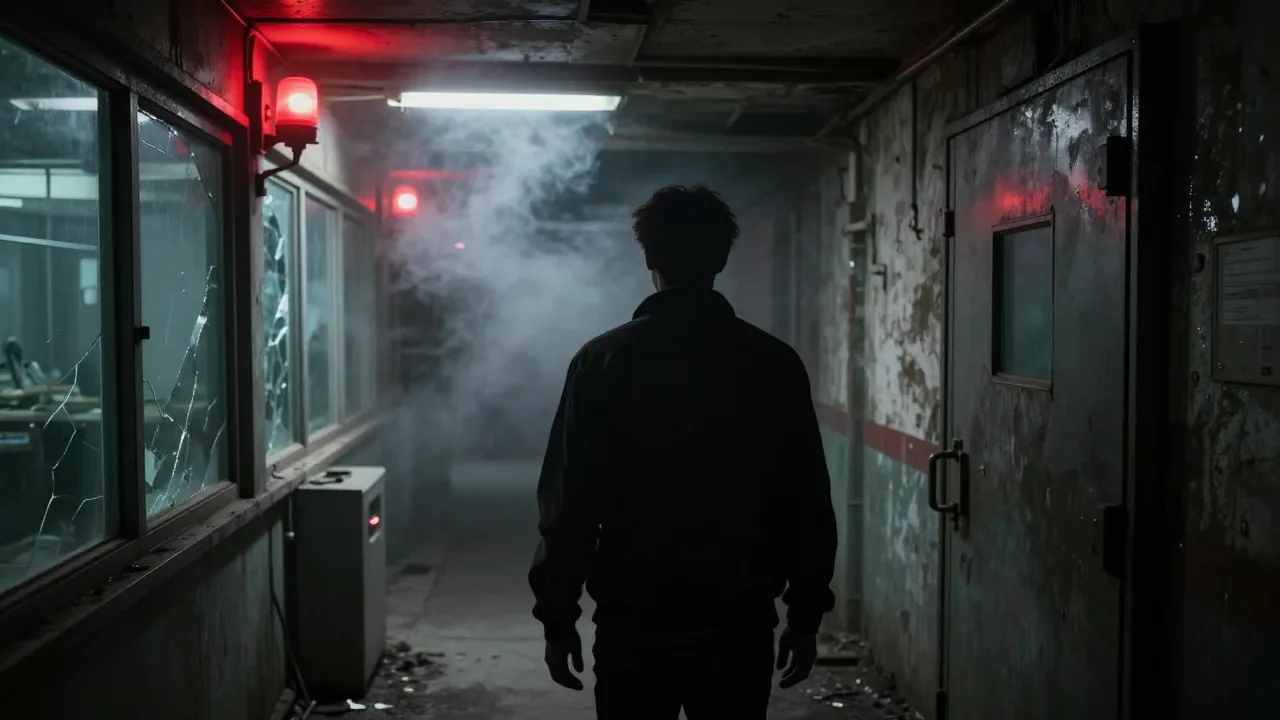
The series also benefits from having a clear visual language. Dark corridors, sterile facilities, harsh red lighting, and sudden bursts of action make the films easy to recognize at a glance. It is a useful contrast with reviews of a newer genre title such as The Fix movie and its body-horror premise, where atmosphere may matter as much as narrative logic. At toughestblogger, the practical takeaway is that your tolerance for exaggerated action matters more than whether you know the games.
Review of the original Resident Evil, 2002
The first film is the strongest place to begin because it has the simplest setup. Alice wakes in a mansion above a secret Umbrella Corporation facility, then joins a team sent underground to contain a viral outbreak. The story borrows the games' enclosed-space tension without trying to recreate every plot point. Its best material is economical: a countdown, locked doors, infected staff, and a dangerous artificial intelligence.
The action can look dated, and the script does not give every supporting player much depth. Still, the movie understands escalation. It begins as a contained survival thriller before opening into a broader disaster. That balance makes it more satisfying than its reputation sometimes suggests. Viewers looking for another compact, high-concept genre watch may also be interested in the Rich Flu movie and its social-thriller setup or The Whisper Man adaptation updates.
How the sequels compare
Apocalypse is broader, louder, and closer in surface detail to the games, including familiar names and creatures. It is not subtle, but it is an efficient monster-action sequel. Extinction moves the story into a desert wasteland and has a different, post-apocalyptic mood. Some viewers enjoy its road-movie feel, while others find it disconnected from the first two films.
Afterlife and Retribution lean hardest into slow-motion action, digital effects, and heightened set pieces. They are the most divisive entries, but they are also the easiest to recommend to viewers who enjoy visual excess. That preference can overlap with audiences following Activision news and gaming industry franchises, Drug Dealer Simulator 2 gameplay coverage, or Ocarina of Time Switch 2 discussion. The Final Chapter brings the original film cycle to a conclusion, although its rapid editing and continuity choices remain major complaints in many reviews.
Is Welcome to Raccoon City better for game fans?
Resident Evil: Welcome to Raccoon City takes a different route. It combines elements from the first two games, brings in recognizable characters, and puts more emphasis on the creepy police-station and mansion settings. Its lower budget is visible, and the compressed story can feel rushed because it is fitting so much material into one film. But game fans may find its locations and creature references more rewarding than the earlier live-action series.
It is worth choosing based on what you want. Watch the 2002 film for a self-contained action-horror ride. Watch the reboot for references to the games. If you are planning a broader film night, compare it with Good Fortune movie details, Netflix new release selections, or where to watch Sterling Point before settling on a platform.
Best Resident Evil movie order for new viewers
The release order is the best order for the original six-film storyline: Resident Evil, Apocalypse, Extinction, Afterlife, Retribution, then The Final Chapter. Watch Welcome to Raccoon City separately afterward, since it is a reboot rather than a continuation. Do not expect a carefully mapped cinematic universe. Expect recurring ideas, returning faces, escalating stakes, and a heroine who becomes increasingly superhuman.
That makes the franchise a better fit for a casual marathon than a close continuity study. If you want a complete change of pace after the zombies, you could explore The Family Stone cast and story guide, or trade screen time for PianoForAll online piano lessons for beginners at home. For households whose movie night includes pets, Brain Training for Dogs exercises for better behavior and mental stimulation is another practical alternative.
Final verdict
Resident Evil movie reviews are divided because the films are trying to satisfy two different audiences. They rarely work as prestigious horror cinema or precise game adaptations. They often work as unapologetic action-horror entertainment. The original remains the best all-around pick, Apocalypse is a fun follow-up, and Welcome to Raccoon City is the most sensible choice for viewers who want familiar game locations. Go in expecting infected monsters, corporate paranoia, and style over realism, and the series is much easier to enjoy.
People also ask
Which Resident Evil movie is considered the best?
The 2002 Resident Evil is usually the safest recommendation because it has the most focused story and works well without knowledge of the games.
Are the Resident Evil movies connected to the games?
The original live-action films use game ideas, creatures, and the Umbrella Corporation, but tell a largely separate story centered on Alice. Welcome to Raccoon City follows game settings and characters more closely.
What order should I watch the Resident Evil live-action movies?
Watch the six original films in release order, from Resident Evil in 2002 through The Final Chapter in 2016. Watch Welcome to Raccoon City separately because it is a reboot.