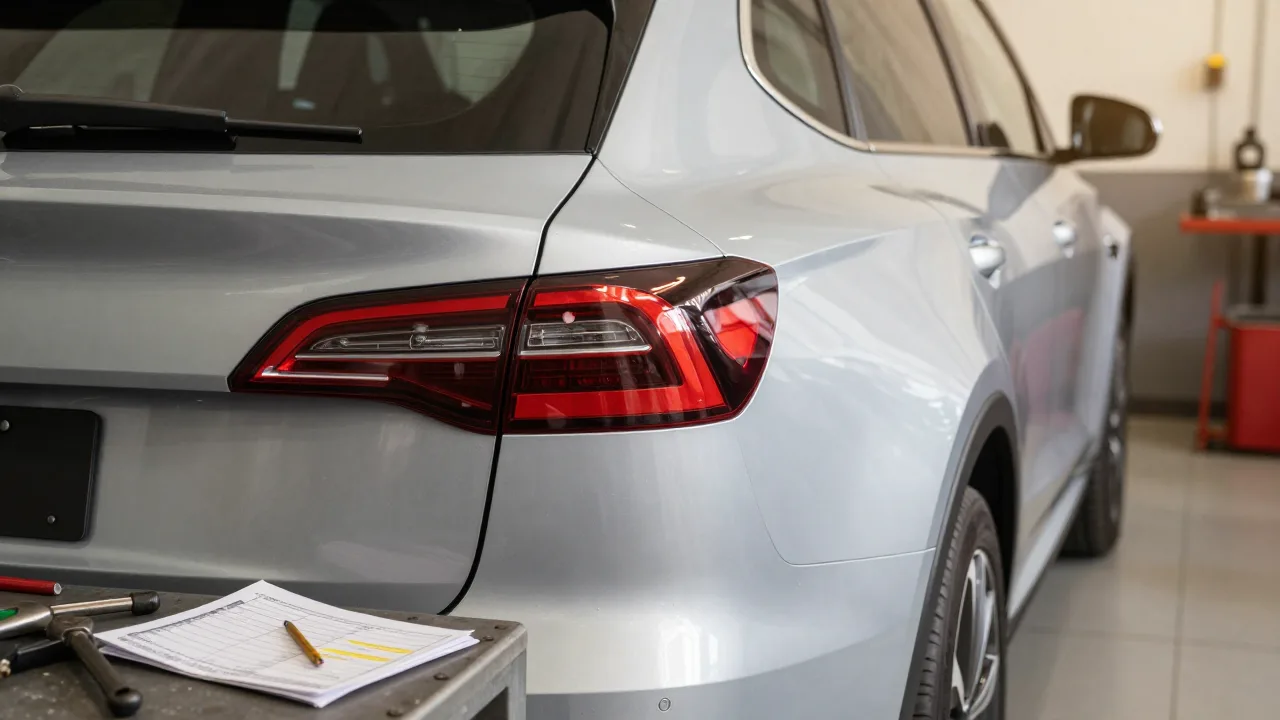
How Much Does a Tail Light Cost?
For a Toyota, a tail light repair can cost as little as $10 to $40 for a bulb, or several hundred dollars for a complete LED lamp assembly. A typical full repair lands around $100 to $600 once parts and labor are included. A $300 quote is believable when a shop replaces one damaged housing and installs it, especially if the unit has sealed LEDs. Before shopping for parts, check whether an Amazon Amex offer for car-parts purchases actually applies to the seller and the exact assembly you need.
The important distinction is simple: a bulb, lens, socket, wiring repair, and complete taillight assembly do not cost the same. Many older Toyotas use replaceable bulbs. Many newer trims use integrated LED units, where one failed section can mean replacing the whole lamp. A battery problem can also cause confusing electrical symptoms, although it will not repair a cracked lens. That is why searches for an Easy Battery Fix guide for weak-car-battery troubleshooting, a Last Battery guide for extending an aging car battery, or a battery reconditioning course for restoring weak batteries belong in the diagnosis stage, not the bodywork stage.
Why a Toyota Taillight Fix Can Reach $300
A $300 total often breaks down into a $120 to $240 replacement assembly, plus labor, tax, and shop supplies. Dealer-supplied original equipment parts usually cost more than aftermarket alternatives. A popular sedan may have broad aftermarket availability, while a newer SUV, hybrid, or trim with complex LEDs can cost far more. The lamp on the tailgate or trunk may also be a separate piece from the outer lamp on the rear fender.
Ask the shop to identify the exact side and location before approving anything. Left and right assemblies are different, while inner and outer lamps can look nearly identical in a listing. The vehicle identification number helps confirm fitment, and a VINCheckUp vehicle-history report for used-car buyers can also be useful when accident history or prior rear-end work raises questions. A car story such as the secret Ford Mustang pickup truck rumor may be fun reading, but it cannot confirm Toyota lamp compatibility.
OEM, Aftermarket, and Used Parts
Original Toyota assemblies tend to match the factory fit, lens color, seals, and electrical connectors. Aftermarket lamps can save money, but quality varies. A used original assembly from a reputable recycler may be the middle path, provided the mounting tabs, gasket, connector, and lens are intact. Water inside a used lamp is a warning sign. It can corrode terminals and fog the lens later.
For a do-it-yourself repair, compare the complete delivered price with the shop estimate. The choice resembles the repair-versus-replacement question behind buy it built projects and ready-made alternatives: the cheaper part is only a bargain if it fits and works. A quote should state whether the price covers a bulb, socket, wiring repair, or entire assembly. toughestblogger readers should also ask whether the shop will reuse a good bulb or replace it during installation.
How to Check the Quote Before You Pay
Get the part number, labor time, and whether the estimate includes diagnostic work. Then compare at least one original-equipment price, one reputable aftermarket price, and one recycled-part price. This avoids paying an assembly price when a bulb or corroded connector caused the problem. The budget discipline is familiar to anyone planning a budget 1950s kitchen makeover, where materials, labor, and surprise damage need separate lines.
Do not assume an inexpensive lens repair will last. Tape may keep out some moisture briefly, but a cracked housing, broken mounting point, or failed LED module usually needs a proper repair. If you plan to work at home, make sure you have protected storage for the removed part and tools, much like organizing equipment for a Costco bar shed project. DIY inspiration from Homemade Haven Milton home projects does not replace a vehicle repair manual.
When to Repair It Quickly
A damaged taillight is more than cosmetic when brake lights, turn signals, or rear visibility are affected. Test the lights with the ignition in the appropriate position, then have someone confirm the brake lights and turn signals work. A collision can damage wiring behind the bumper even when the lens looks like the only problem. Insurance may help after an accident, but a deductible can exceed the repair value. Review the claim impact with your insurer rather than assuming the carrier is a health insurance giant, since auto coverage rules and deductibles are separate.
Road safety is the real reason not to wait. A report about a Fort Collins accident or a soccer mom driving onto a field is unrelated to a failed lamp, but both underline how quickly poor visibility and driver confusion can become serious. If the brake light or turn signal does not work, avoid night driving until it is repaired. The same caution applies after any impact, including an event that leaves you reading about a Wheaton train accident and thinking about vehicle damage near busy crossings.
The Bottom Line on a $300 Toyota Taillight Fix
$300 is a reasonable Toyota taillight repair price when it includes a complete assembly and professional installation. It is expensive for a simple bulb, and it may be low for a dealer-installed LED unit on a newer model. Get the part number, identify exactly what failed, and compare the assembled quote before authorizing the work. That turns a vague $300 fix into a price you can judge.
People also ask
How much does it cost to replace a Toyota tail light?
A bulb replacement may cost $10 to $40 for the part. A complete Toyota tail light assembly commonly brings the total to roughly $100 to $600 with labor, while some LED units cost more.
Is $300 too much for a taillight repair?
It depends on the failed component. $300 can be fair for a complete housing and installation. It is high for a basic replaceable bulb unless diagnosis, wiring work, or other repairs are included.
Can I replace a Toyota tail light myself?
Many bulb and accessible assembly replacements are manageable for a careful owner with the correct part and vehicle instructions. Sealed LED lamps, broken mounts, water damage, and wiring faults may need professional repair.