Does Last Ditch Bar require masks?
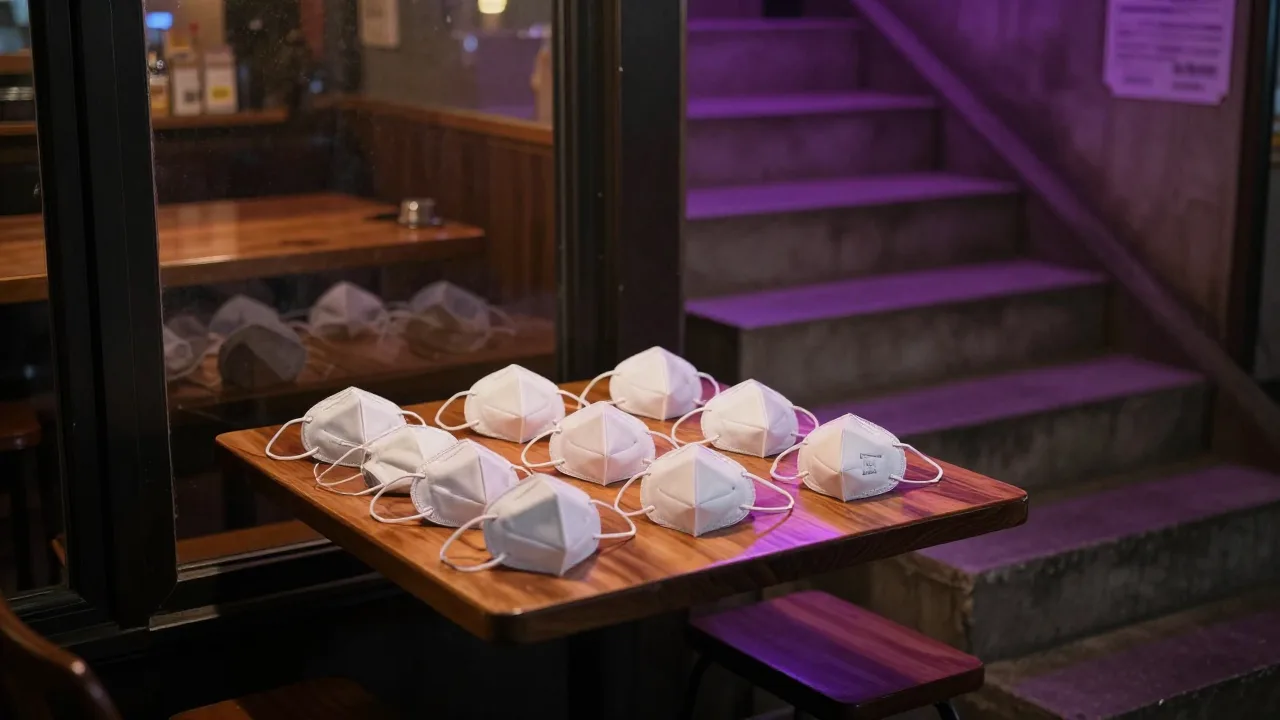
Yes, on most nights. Last Ditch Bar and Arts Venue in Greenfield, Massachusetts, has a mask policy designed to make nightlife more accessible to people concerned about airborne illness. Its current public guidance says visitors need a KN95 or N95 mask from Tuesday through Friday. Saturday nights are mask-optional unless the venue announces otherwise. The bar also says it keeps masks at the door for people who arrive without one.
That makes the venue unusual, but not mysterious. A mask-required bar is still a bar: people can meet friends, attend performances, hear DJs and buy drinks. The difference is that guests should bring a well-fitting respirator and expect to wear it except when actively eating or drinking. Anyone who has followed coverage of a Massachusetts lesbian bar will recognize why the policy has drawn attention far beyond Greenfield.
The basic rule is worth checking before every visit because special events can have their own conditions. A themed night, private booking or performance may be more cautious than the regular schedule. That is especially sensible during periods when people are already watching public-health news, such as concerns around measles outbreaks and prevention, even though a bar’s COVID precautions are a separate question.
Why Last Ditch Bar masks became a trend
The search interest comes from a recent dispute over changing the Saturday policy. The venue had built a reputation for requiring high-filtration masks, then announced a trial of mask-optional Saturday club nights while continuing its masked programming. Supporters of the change saw a possible way to bring in more customers and keep a small independent venue viable. Critics worried that it would reduce a scarce social option for disabled and immunocompromised people.
The argument is bigger than one local business. It raises a difficult practical question: how can a small venue pay bills, welcome a wide range of patrons and still offer reliable lower-risk gatherings? That tension is familiar in community spaces, just as it is when people weigh the cost of emergency preparation after Houston hurricane disruptions or seek support following Indiana disaster relief efforts.
For toughestblogger readers, the important point is not the online argument. It is that the phrase Last Ditch Bar masks refers to an actual venue policy, not a costume, a drink or a brand of face covering.
What kind of mask should you bring?
Bring a genuine N95 or KN95 that fits your face closely. These are respirators designed to filter particles more effectively than a loose cloth face covering. A good fit matters: the mask should cover both nose and mouth, sit firmly against the cheeks and have no obvious gaps around the edges. Ear loops can work, while head straps often provide a more secure seal.
Do not confuse a respirator with a decorative mask. If you are shopping for a party look, a Target costume guide may help with seasonal outfits, but costume masks do not meet a venue requirement for N95 or KN95 protection. Similarly, the demand for Halloween backgrounds and party ideas has nothing to do with the protective equipment expected at Last Ditch.
If you forget your mask, ask at the entrance rather than assuming you will be turned away. The venue says it has KN95 and N95 masks available. Still, bringing your own is the more dependable choice, particularly if you know which model fits comfortably for several hours.
How to plan a visit without surprises
First, check Last Ditch Bar’s own latest event notice before leaving home. Policies can change for a specific event, and Saturday may be mask-optional while weekday programming remains masked. Second, arrive with a fresh respirator. Third, remember the practical drinking rule: lower the mask for a sip, then put it back in place. It may feel different from a conventional night out, but it is straightforward once everyone knows the routine.
Good venue planning is really about avoiding preventable friction. Travelers do the same when checking a yellow fever vaccine timeline, and sports fans do it before following AP Top 25 football updates. The useful information is the current rule, not an old social-media post.
Visitors who want a personal preparedness plan can also research products carefully rather than treating any single guide as medical advice. For example, a Last Battery emergency backup guide for household power outages addresses a different kind of readiness, while a Medicinal Garden Kit guide for growing everyday herbs at home is about home gardening, not respiratory protection.
The bigger meaning of the policy
Last Ditch Bar has become notable because it treats access as something more expansive than ramps, seating or ticket prices. For some patrons, predictable masking and air cleaning make it possible to participate in nightlife at all. The venue says it uses multiple air purifiers, an additional layer that does not replace a well-fitting mask. Readers interested in other practical accessibility questions may also find a catio planning guide for safer indoor-outdoor pet space useful for a completely different example of designing around real needs.
The bottom line is simple: Last Ditch Bar masks are required Tuesday through Friday, while Saturday is generally mask-optional unless announced otherwise. Check the event details, bring an N95 or KN95 and respect the posted rules. That gives the venue its best chance to remain a place where more people can safely show up.
People also ask
Is Last Ditch Bar mask required?
Yes. The venue’s public guidance says KN95 or N95 masks are required Tuesday through Friday. Saturday nights are generally mask-optional unless a specific event says otherwise.
Does Last Ditch Bar provide masks?
The venue says it keeps KN95 and N95 masks at the door for guests who need one. Bringing a mask that you know fits well is still the safest plan.
Why did Last Ditch Bar become controversial?
The venue drew attention after announcing mask-optional Saturday nights as a trial while retaining masked programming. The change prompted disagreement about financial survival, disability access and community safety.