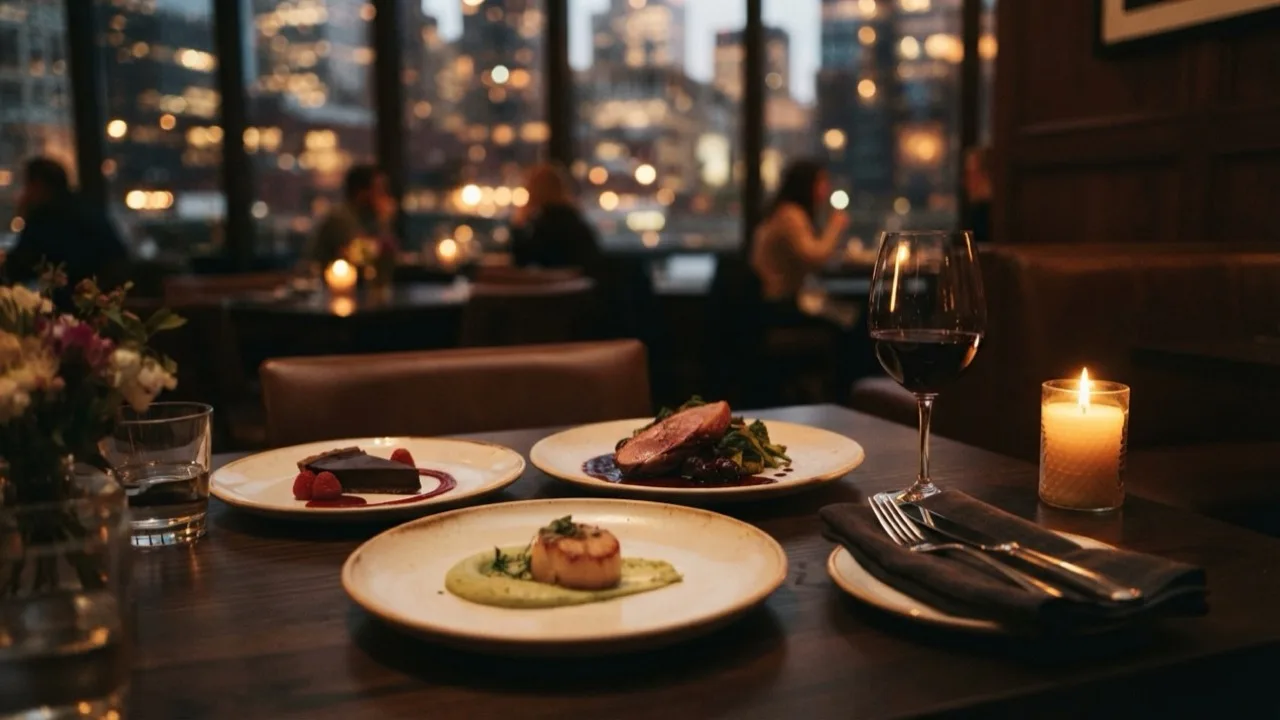
DC Restaurant Week: the short answer
DC Restaurant Week is a twice yearly prix fixe promotion run by the Restaurant Association Metropolitan Washington, usually shortened to RAMW. Hundreds of kitchens across the District, Northern Virginia and suburban Maryland serve set multi course menus at one fixed price per person, which lets you sit down somewhere that would normally sit outside a weeknight budget. There is no ticket, no wristband and no central venue, so it needs none of the lineup planning you would do for a crowded summer music weekend. The only thing you reserve is a table, and the only thing you pay is the bill at the end of it.
When it runs and why the dates get confusing
The summer edition traditionally lands in August and the winter edition in January, each scheduled as a full week running Monday to Sunday. Reality is looser than the official calendar. A large share of restaurants extend their prix fixe menus into a second week, and some keep them going until the end of the month, so a menu you missed on the official closing night is often still on. Confirm on the restaurant's own page rather than a third party listing, because aggregator pages go stale quickly, much like an outdated error code walkthrough that sends you chasing a fix that no longer exists. Search adds its own noise, since national coverage of wildfire activity in Washington State regularly outranks anything about the District.
What it costs and what you actually get
Recent editions have moved away from a single flat rate towards tiered pricing. Venues choose a band instead of one citywide number, with lunch and brunch sitting in the lower tiers and dinner in the higher ones. Expect lunch to start in the mid twenties per person and dinner around forty, with the most ambitious kitchens well above that. The standard shape is three courses, an appetiser, a main and a dessert, occasionally with a fourth course or a bar snack added.
The costs the headline price hides
Tax, gratuity, drinks and dish supplements are extra, and a steak or shellfish course usually carries a surcharge. Add roughly forty to fifty per cent to the advertised figure once you include a glass of wine and a proper tip. Running that arithmetic before you book is the same habit that saves money when you compare the real fees on an international money transfer, where the headline rate is never the whole story.
How to book a table worth booking
Reservations open a week or two ahead and the strongest rooms fill within hours. Book the moment listings go live, aim for Monday through Wednesday instead of the weekend, and accept an early or late seating when the prime evening slot has gone. Set alerts on your booking platform, because cancellations reappear all week long. Parties above six are harder, since many kitchens cap the prix fixe at smaller tables. If you end up at the bar waiting on a late friend, the wait passes faster with a stubborn crossword clue on your phone.
Read the menu before the reviews
The best value comes from kitchens that publish their full Restaurant Week menu in advance and keep signature dishes on it. Chef driven rooms built around a tasting menu format tend to lose the least when they compress to three courses, while casual spots sometimes strip the list back to their cheapest plates. If a restaurant hides its menu, treat that as a signal. The same rule applies to any special occasion dining room, whether you are booking in the District or eyeing an oceanfront table on the other coast. For the restaurants themselves the week is a customer acquisition exercise, which is why so many collect your email at the table, the same logic behind giving something away to build a mailing list.
Dietary needs, weather and out of town guests
Prix fixe menus are less flexible than a la carte, so flag allergies and restrictions when you reserve rather than once you are seated. Vegetarian options are now standard and most kitchens will adapt a course if warned, though anyone managing lactose intolerance should still ask how the dessert is built. Check the local forecast before committing to a patio, and remember that late August travel can be disrupted by storm systems far outside the region. Visitors often pair the week with something else on the calendar, from the capital tennis tournament to a day trip further out of the city.
Is DC Restaurant Week worth it?
It is worth it as a scouting exercise more than a bargain hunt. Three courses at a fixed price is a low risk way to test a kitchen you would otherwise never book, and the saving is real at the upper tiers where a la carte would run far higher. It is worth less at casual places where the everyday menu already sits near the prix fixe number. The city gets busy, with summer tennis crowds and other late season festival dates pulling on the same weekends, so book early, tip properly and go midweek. Readers at toughestblogger who would rather skip the rush can host at home instead, with a backyard bar setup and a series to finish afterwards.
People also ask
When is DC Restaurant Week?
It runs twice a year, traditionally a week in August for the summer edition and a week in January for the winter one, Monday through Sunday. Many restaurants extend their prix fixe menus for a second week, so always confirm the exact dates on the restaurant's own page.
How much does DC Restaurant Week cost?
Recent editions use tiered pricing rather than one flat rate. Lunch and brunch typically start in the mid twenties per person and dinner around forty, rising for higher end kitchens. Tax, tip, drinks and dish supplements are always extra.
Do you need a ticket or a pass?
No. There is no ticket, pass or wristband. You simply book a table at a participating restaurant and ask for the Restaurant Week menu when you arrive.
How far in advance should you book?
Reservations usually open one to two weeks before the promotion starts and the most popular dining rooms fill within hours. Book immediately, target weeknights, and set cancellation alerts because tables reopen throughout the week.
Is Restaurant Week actually good value?
It offers the clearest saving at higher end restaurants where a normal three course meal would cost significantly more. At casual venues the everyday menu is often close to the fixed price already, so the discount is smaller.
