What people actually mean by El Grito Chicago
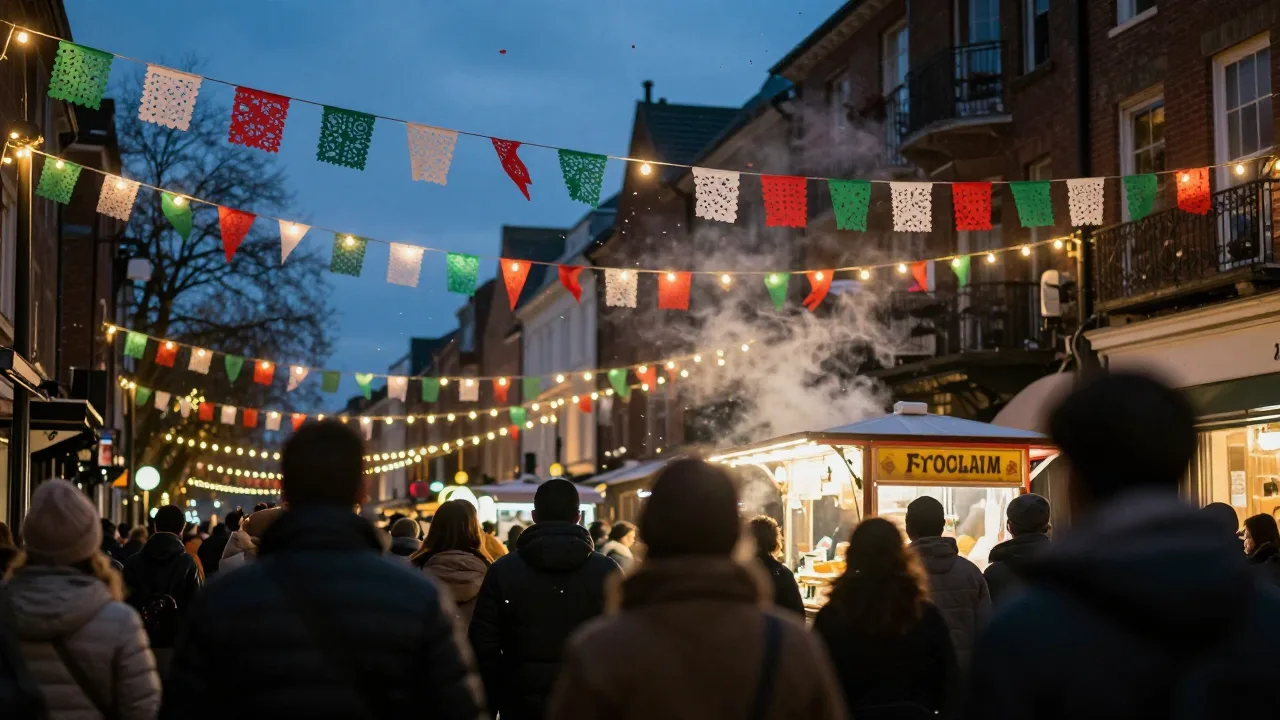
Search for El Grito Chicago and you are usually after one of three different things. The first is the ceremony itself: the shouted re-enactment of the call to arms made by the priest Miguel Hidalgo in the town of Dolores on the night of 15 September 1810, which is the reason Mexican Independence Day lands on 16 September and not on Cinco de Mayo. The second is the street celebration: flags on car windows, parades along 26th Street and 18th Street, sound systems on porches and horns all night. The third is a ticketed concert or festival that borrows the Grito name, because promoters across the city book banda, norteno and Mexican rock bills that same week, the sort of lineup that also brings alternative acts such as the Mexican rock band Camilo Septimo through Chicago venues.
The 2026 dates, and what is still ahead
The calendar split the party this year. El Grito night fell on Tuesday 15 September and Independence Day on Wednesday 16 September, both midweek, so the neighbourhood celebrations spread outward to the weekends on either side. If you missed the midweek ceremonies, the weekend of Saturday 19 and Sunday 20 September is where the parades, block parties and car caravans concentrate. Routes, start times and last minute changes are announced by the organisers and by the city only days in advance, so check them the morning of rather than trusting a flyer that has been circulating for a week.
Where it happens: Little Village, Pilsen and downtown
Little Village, known as La Villita, is the centre of gravity. Its 26th Street parade is one of the largest Mexican independence celebrations in the country and traditionally runs on a Sunday around the holiday. Pilsen, along 18th Street, delivers the same energy in a denser, more walkable strip of taquerias, bakeries and murals. Downtown is the third pole: the Mexican Consulate holds its own Grito ceremony, and in recent years thousands of cars have converged on the Loop and the Grant Park perimeter, the same ground that absorbs crowds the size of the Lollapalooza weekend in Grant Park.
Street closures and the downtown caravans
Expect rolling closures around Michigan Avenue, Columbus Drive and the park edges on the busiest nights, plus temporary tow zones. The city now manages the weekend with a containment plan closer to the way Times Square is sealed off for New Year than to an ordinary street fair. Assume you cannot park where you parked last year, and assume ride share pickup points will be moved.
Tickets, prices and what you get
The parades and the consulate ceremony are free and open to the street. Ticketed events are a different animal: single day passes for Mexican regional lineups in Chicago commonly sit in the mid double digits, with VIP tiers climbing well past that, tiered the same way multi day music festivals build their pass levels. Indoor shows at rooms such as the Salt Shed on the near North Side sell out faster than outdoor ones, and day of resale rarely drops. If a listing names no venue and no artists, treat it as a red flag.
Transit, parking and timing
Take the train. The Pink Line runs through both Pilsen and Little Village, and on parade day it beats any attempt to drive. Chicago does not set up remote lots with shuttles like the park and ride system used at big state fairs, so street parking near the route disappears hours before step off. Arrive early, stand on the shaded side, and plan your exit before you need it, the same discipline that saves you an hour after a sold out stadium concert night in Chicago. Here at toughestblogger we keep saying the same thing about September in this city: the transit map is the real ticket.
Food, weather and a small survival kit
Elotes, churros, aguas frescas, tacos de asada and micheladas define the street food. The flavours that show up in packaged form all year, from the chili and lime chips people hunt down in the snack aisle to ice cream collaborations built on churro and cinnamon notes, taste better from a cart. Sit down restaurants in Pilsen fill fast, so book ahead or go early, the way regulars handle a citywide restaurant week with limited seatings. Check the forecast the morning of, because mid September in Chicago swings from ninety degrees to jacket weather, and a local forecast blog beats a phone widget the way independent regional weather coverage beats a national app.
Comfort matters more than style here. Hours on concrete is why a joint support supplement people look up when their knees ache after standing all day spikes in searches every festival season, and why what people search when their ears are still ringing the morning after a loud outdoor concert trends every Monday in September. If you are managing your levels, decide before you queue at the churro stand, which is exactly why a blood sugar support formula for anyone watching their glucose around fried festival food gets looked up at this time of year.
Is it family friendly?
Daytime yes, overwhelmingly so: the parades are stroller heavy, with folkloric dancers, charros on horseback, school bands and free candy along the route. Evening downtown is louder, more crowded and more car centred, and that is where families usually peel off. Chicago runs cultural street festivals all year, from the lantern and panda themed events that draw families after dark to the seasonal circuit that mirrors fair season in other parts of the country, so if the crowd feels too big this weekend, there is another one in a fortnight.
People also ask
What is El Grito and why does Chicago celebrate it?
El Grito is the re-enactment of the call to arms made by Miguel Hidalgo on the night of 15 September 1810, the start of Mexico's fight for independence. Chicago marks it because it is home to one of the largest Mexican communities in the United States, concentrated in Little Village, Pilsen and Back of the Yards.
When are the El Grito Chicago events in 2026?
The ceremony night was Tuesday 15 September and Independence Day was Wednesday 16 September. Because both fell midweek, the parades, block parties and car caravans concentrate on the weekend of Saturday 19 and Sunday 20 September. Confirm exact routes and times with organisers on the day.
Is El Grito Chicago free?
The street parades and the consulate ceremony are free. Ticketed concerts and festivals that use the Grito name are not, with single day passes commonly in the mid double digits and VIP tiers higher.
Where is the main parade held?
The largest is along 26th Street in Little Village, traditionally on a Sunday near the holiday. Pilsen, on and around 18th Street, hosts the other major neighbourhood celebration, and downtown sees a separate concentration of cars and crowds.
How should I get there?
Public transit. The Pink Line serves both Pilsen and Little Village, street parking near the routes vanishes hours ahead, and downtown adds rolling street closures and temporary tow zones on the busiest nights.