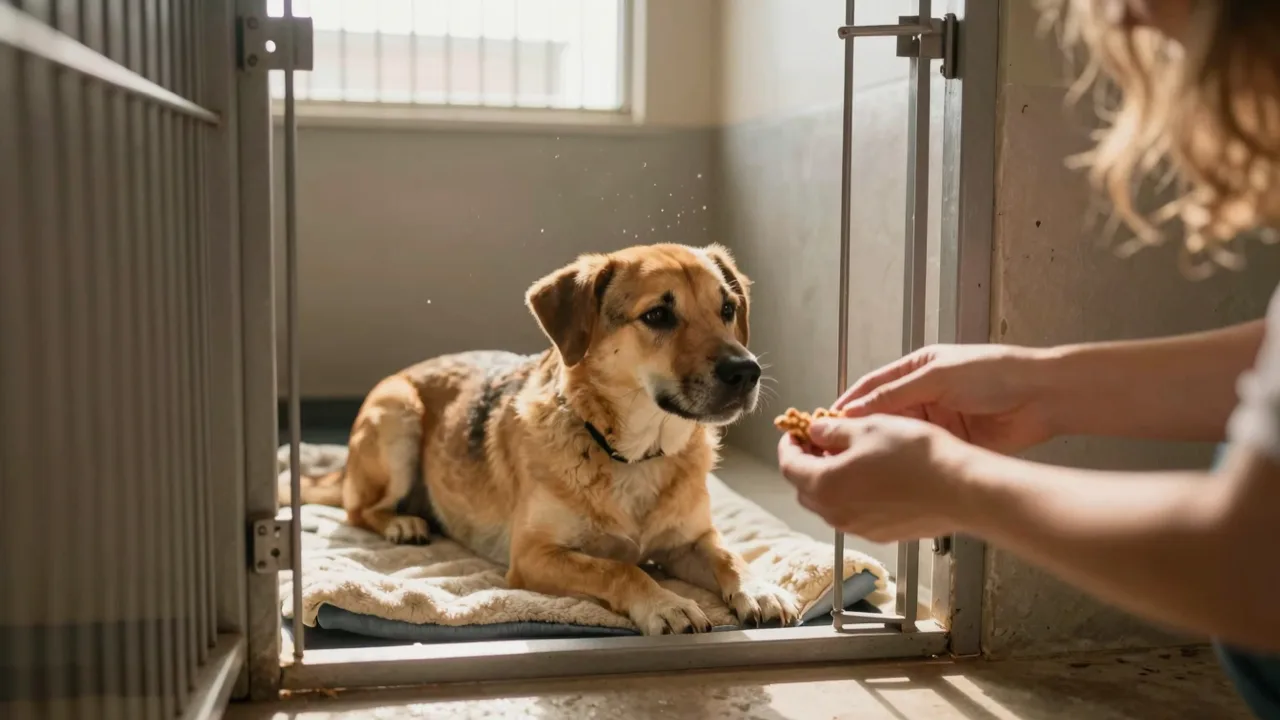
San Diego Humane Society: what it is and what it can actually do for you
San Diego Humane Society is a private nonprofit animal welfare organization that has operated in San Diego County since 1880. It is not a city department, yet it holds service contracts with a long list of local cities to run municipal animal services, which is why a stray dog picked up in one neighborhood ends up in its care instead of a government pound. For people who know the region mainly for its beaches and its oceanfront dining rooms, that hybrid structure is the single most confusing thing about the organization, and it quietly explains almost every practical question people type into a search bar.
The nonprofit runs campuses in San Diego, Escondido, Oceanside, El Cajon and Ramona. Each serves a different set of communities, so the first step for any errand (adoption, lost pet, wildlife drop-off, surrender appointment) is working out which campus covers your city. Treat the trip the way you would any animal facility with a published visitor guide and check hours before you drive, because schedules differ by location and several services run by appointment only.
How to adopt: the actual steps
Browse the searchable list of available animals on the official site, note the identification number of any animal you like, then go in person during adoption hours. Staff use a conversation-based process rather than a scored application, so expect questions about your household, your schedule and your existing pets rather than a pass or fail form. When an animal is already altered and medically cleared, taking it home the same day is common.
What the adoption fee covers
Fees vary by species, age and campus, and the organization regularly runs reduced-fee or fee-waived promotions, especially when kennels fill up in summer. A standard adoption normally bundles spay or neuter surgery, a microchip, age-appropriate vaccinations and a veterinary exam, which is why the price sits far below what those services cost separately. Ask exactly which vaccines were given and when boosters fall due, with the same care you would apply to how long a travel vaccine keeps working. Timing matters for animals for the same reason coverage gaps drive outbreaks in people.
Lost a pet in San Diego County? Do this first
Speed matters, because stray animals are held for a limited legal period before becoming available for adoption. Check the online lost and found gallery daily, file a lost report, and visit the campus serving the area where your pet disappeared, since a phone photo rarely resembles the animal you know. If a neighbor finds the pet, have any veterinary clinic scan for a microchip, and confirm your chip registration still lists a working phone number. Neighborhood posts and community forum threads genuinely help, but they never replace walking the kennels yourself.
Surrender, rehoming and staying together
Owner surrender is generally by appointment, and the intake conversation usually opens with whether the surrender can be avoided at all. Support programs cover pet food assistance, behavior guidance and help reaching affordable veterinary care, because most surrenders trace back to money, housing or one fixable behavior problem. Ask about every program before signing anything. Medication news is worth tracking too, since a thyroid medication recall can matter to owners whose animals take similar prescriptions.
Household hazards worth naming
Emergency calls spike around holidays. Chocolate is the classic one, so a new chocolate snack collaboration left on a low counter is a real risk rather than a joke. Dairy is milder but common, and readers who already hunt for lactose-free cottage cheese should know most dogs digest dairy poorly as well. Dress-up season adds another trap, since a store-bought costume with small fasteners becomes a swallowing hazard within minutes.
Project Wildlife and injured animals
The organization runs the county wildlife rehabilitation program, taking in injured and orphaned native birds and mammals from the public. Larger native species and raptors are handled at the Ramona location, while general intake runs through the San Diego campus. Call before transporting anything, keep the animal quiet and dark, and do not offer food or water. Wildlife volumes climb during wildfire emergencies, and the same emergency response teams that shelter animals during a major storm evacuation deploy locally when fires move fast.
Heat, volunteering and life after adoption
Summer pavement burns paws long before it feels dangerous to human feet, so walk early and follow local forecasts the way readers follow a dedicated regional weather service. The heat risk is the same physics that makes an extreme desert endurance race so punishing, just compressed into a sidewalk. Volunteers handle everything from dog walking to humane education for kids, which pairs well with the kind of structured practice families already use through online learning platforms. Training a newly adopted dog rewards the same consistency a conditioning coach demands, in short daily sessions. Readers at toughestblogger ask most often about the first week home: keep it boring, keep it small, and skip the big outing. Once the dog settles, a dog-friendly coffee house patio makes a better test run than a crowded park, and nobody should expect the composure of a trained military working dog from a shelter animal in month one.
People also ask
How much does it cost to adopt from San Diego Humane Society?
Adoption fees vary by species, age and campus, and reduced-fee or fee-waived promotions run regularly, especially when shelters are full. A standard adoption typically includes spay or neuter surgery, a microchip, age-appropriate vaccinations and a veterinary exam, so confirm the current fee for the specific animal on the official site or at the front desk before you visit.
Where are the San Diego Humane Society campuses?
The organization operates campuses in San Diego, Escondido, Oceanside, El Cajon and Ramona. Each campus serves different communities, and services such as owner surrender or wildlife intake are not identical at every location, so check which campus covers your city and confirm hours before driving over.
What should I do if I lost my pet in San Diego?
Check the online lost and found gallery every day, file a lost pet report, and visit the campus that serves the area where your pet went missing, because photographs often fail to match. Update your microchip registration with a current phone number, and ask any veterinary clinic to scan an animal a neighbor brings in.
Does San Diego Humane Society take injured wildlife?
Yes. It runs the county wildlife rehabilitation program for injured and orphaned native birds and mammals. Call first for instructions, keep the animal quiet, covered and in a ventilated box, and do not give food or water. Larger native species and birds of prey are handled at the Ramona location.
Can I surrender my pet, and are there alternatives?
Owner surrender is generally handled by appointment, and staff usually begin by exploring alternatives such as pet food assistance, behavior support and help accessing affordable veterinary care. If cost, housing or a specific behavior problem is driving the decision, ask about every available program before completing a surrender.
