The short answer: what a strength and conditioning coach actually does
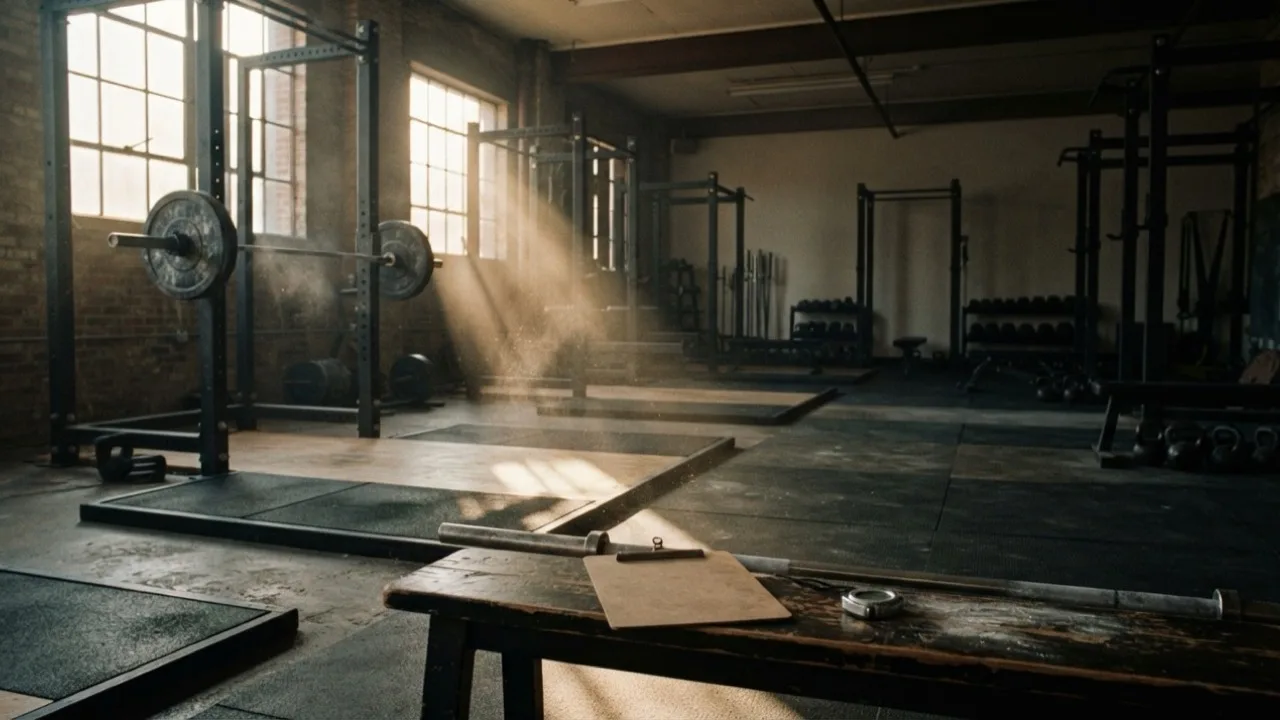
A strength and conditioning coach builds and runs the physical training plan for athletes, meaning everything outside sport-specific practice: lifting, sprinting, jumping, mobility, recovery and the return-to-play work that follows an injury. The sport coach decides tactics. The strength coach decides how much load a body can absorb this week without breaking down. A normal day means running early lifting groups, writing the next four-week block, logging bar speed and jump heights, adjusting for whoever slept badly or arrived sore, and comparing notes with the medical staff. During a congested calendar like the one clubs face around a hockey World Cup window, most of the job becomes subtraction: deciding what to remove so players arrive fresh rather than merely trained.
How to become one, step by step
In the United States the standard route runs through a bachelor degree in exercise science, kinesiology or a related field, then an internship, then a certification exam. The best known credential is the CSCS from the National Strength and Conditioning Association, which normally requires a completed bachelor degree (or final-year status) plus current CPR and AED certification. The exam splits into a scientific foundations section covering anatomy, physiology, biomechanics and nutrition, and a practical and applied section built around exercise technique video questions and program design.
What certification costs and how long study takes
Budget a few hundred dollars for the exam itself, less if you join the association first, plus the textbook and any prep course. Most candidates give themselves two to four months. Treat practice sets the way medical applicants treat the AAMC preview exam, as a diagnostic rather than a rehearsal, and sit at least one full timed preview exam under real conditions before test day. Certifications also expire, so plan on continuing education credits across a multi-year recertification cycle.
Other credentials worth knowing
American college programs often prefer the SCCC from the CSCCa, which demands a long supervised internship measured in hundreds of hours. In Britain the UKSCA accreditation is the reference point, and in Australia the ASCA levels are. Specialist add-ons in performance enhancement, weightlifting or tactical populations matter if you want to work with fighters, police or military units, the world dramatised in military operator television series and considerably less glamorous in practice.
What the job pays
Pay splits sharply by setting. Entry-level assistant roles at high schools and smaller colleges frequently sit in the low to mid five figures, sometimes bundled with teaching or sport coaching duties. Head strength coaches at large American football programs are the visible outliers, with a small group earning far above the field average. Private-sector coaching is priced per session, commonly somewhere between fifty and a hundred and fifty dollars depending on city and reputation, with small-group training cheaper per head. Roles in individual sports, including the staff supporting players through a stretch like the Washington Open tennis week, are often contract work rather than salaried positions.
Hiring one: three questions that filter fast
If you are the client rather than the candidate, ask three things. First, which credential, issued by whom, and is it current. Second, what the first four weeks look like on paper, because a coach who cannot describe the plan before taking payment is improvising. Third, how progress gets measured, since numbers beat feelings. Strong coaches adapt the same principles across very different bodies: the plyometric demands of competitive cheerleading, the culture people go looking for when they search where to watch Bring It On All or Nothing, are not the demands facing a ballroom performer preparing for something like Dancing with the Stars season 35, and neither resembles readying a runner for a desert ultramarathon such as the Badwater 135 race.
Nutrition, weather and the boring operational stuff
Nutrition sits beside the program rather than inside it. Most coaches are not licensed dietitians and should not write clinical meal plans, though they can reasonably discuss protein timing, hydration and practical swaps, including lactose free cottage cheese options for athletes who react badly to dairy. Anything touching disordered eating goes to a clinician.
Environment cancels more sessions than injuries do. Heat forces earlier starts, so Gulf Coast coaches plan around the forecasts followed on Houston area weather trackers, while smoke drifting from Washington state wildfires can push an entire squad indoors for a week. Load tracking now lives on phones and wearables, which is why staff quietly dread a broken data sync when an update like the iOS 27 beta release lands mid-season.
Going private: it is a small business
Independent coaching succeeds or fails on rates, retention and referrals as much as on program design. The marketing basics apply, a clear offer, visible proof, and a way to capture interest, which is where thinking about how to distribute lead magnets earns its keep. Some coaches lean on hard-sell playbooks of the sort associated with high-pressure sales trainers; most do better keeping clients twelve months. Equipment is the other line item, moving with a sportswear market investors follow through coverage like Nike share price analysis, and a garage setup built around a rack and a warehouse store bar shed starts a career for far less than a commercial lease.
The trade is also unusually social. Programs get swapped in private servers where Discord profile badges mark long-standing members, and readers reach this page on toughestblogger the same way they reach any job curiosity search, wanting to know what someone actually does all day, much like people asking what Kirin Thompson does for work. The honest version: early mornings, spreadsheets, and a lot of persuasion.
People also ask
Do you need a degree to be a strength and conditioning coach?
For the main US credential, the CSCS, you generally need a completed bachelor degree or final-year status plus current CPR and AED certification. Personal training certifications have lower entry requirements, but school, college and pro team roles almost always expect the degree plus internship hours.
How much does a strength and conditioning certification cost?
Expect a few hundred dollars for the exam, reduced if you hold association membership, plus textbook and optional prep materials. Recertification adds continuing education costs on a multi-year cycle, so treat it as an ongoing expense rather than a one-off.
What is the difference between a personal trainer and a strength and conditioning coach?
A personal trainer typically works with general population clients on fitness and body composition. A strength and conditioning coach works with athletes to improve sport performance and reduce injury risk, usually within a team structure alongside sport coaches and medical staff.
How much does it cost to hire a private strength coach?
Session rates commonly run somewhere between fifty and a hundred and fifty dollars in the US depending on city, experience and whether sessions are one to one. Small-group training and remote programming cost noticeably less per person.
