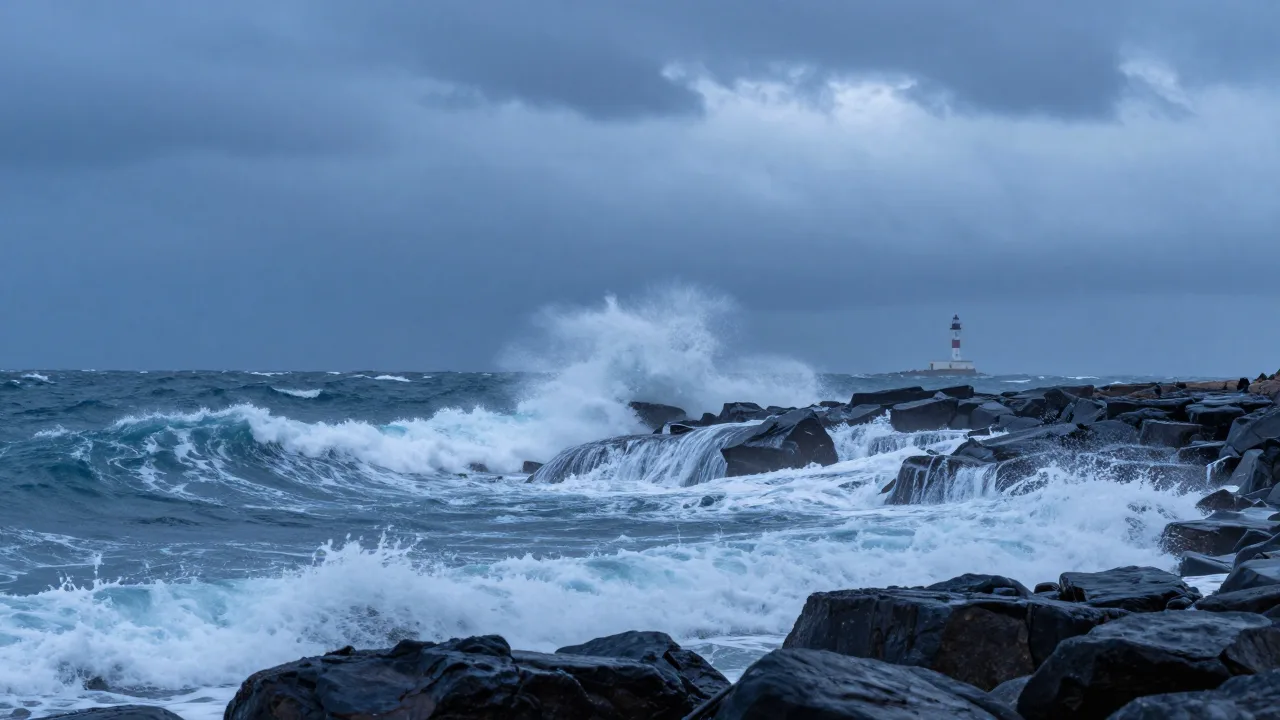
Nor’easter vs. hurricane, the quick answer
A nor’easter and a hurricane can both close roads, cut power and flood coastal neighborhoods, but they are not the same type of storm. A hurricane is a tropical cyclone powered by warm ocean water, with a compact center and organized circulation. A nor’easter is a large low-pressure system that usually develops along the East Coast, often where cold continental air meets warmer, moist Atlantic air. Its name comes from the northeasterly winds that commonly lash the coast.
The most important practical difference is size and timing. Hurricanes may bring the most extreme winds near their core, while nor’easters often affect a much wider area for a longer period. A coastal resident following a hurricane preparedness update for Houston should not assume the same checklist covers a winter coastal storm. Forecast details, flood risk and the duration of dangerous conditions matter more than the storm label alone.
How each storm forms
Hurricanes form over sufficiently warm tropical or subtropical water and need a supportive atmospheric environment to organize. They can strengthen rapidly when warm water and low wind shear persist. Nor’easters are generally driven by contrasts between air masses and energy higher in the atmosphere. They are most common from fall through spring, although they can occur at other times.
A nor’easter does not need tropical water or a hurricane-like eye. It can strengthen as it moves up the coast, pulling Atlantic moisture inland while cold air wraps around the system. That combination can produce rain, heavy wet snow, sleet or all three. For readers trying to understand changing local forecasts, regional weather coverage and forecast terminology can be useful context, but official local alerts should always guide immediate decisions.
Wind, rain and coastal flooding
Hurricanes can produce violent sustained winds, storm surge, tornadoes and very heavy rainfall. Their highest wind damage is often concentrated close to the eyewall, although hazards can extend far beyond it. Nor’easters typically have lower peak winds than major hurricanes, but powerful gusts can still damage roofs, trees, power lines and coastal infrastructure.
Nor’easters are especially dangerous when strong onshore winds coincide with high tide. The result can be repeated coastal flooding over several tide cycles, beach erosion and waves that undermine roads or seawalls. Inland flooding is also possible where the storm stalls. Recent interest in flash flooding risks in Zion National Park is a reminder that water hazards can become life-threatening quickly, even far from the ocean.
Which one lasts longer?
A hurricane may move quickly or linger, depending on steering winds. A nor’easter frequently lasts one to three days and can keep coastal winds, high surf and precipitation going through multiple high tides. That persistence is why a nor’easter can cause serious disruption even without hurricane-force wind.
Long outages are a practical concern in either storm. Keep phones, flashlights and essential medical equipment ready before conditions worsen. Some households researching Power Grid Generator backup power for storm outages or a Battery Reconditioning Course for maintaining emergency batteries should remember that any backup-power setup must be used according to its safety instructions. Never operate fuel-burning equipment indoors or in an attached garage.
How to prepare for a nor’easter
Start with the forecast, then identify the hazard most likely at your address: coastal flooding, river flooding, snow load, ice, wind damage or loss of heat. Bring in loose outdoor objects, clear drains when it is safe, charge devices and avoid driving through flooded roads. A secure outdoor cat enclosure should be checked for loose panels and brought indoors when conditions are expected to become severe. The same goes for items stored near a backyard bar shed or outdoor storage building.
If officials issue an evacuation order for a coastal or flood-prone area, leave early. Do not wait to see whether water reaches your street. Communities recovering from disasters often need time and organized assistance, as coverage of Indiana disaster relief resources illustrates. Keep insurance information, medications, identification and a basic supply kit accessible.
Do not confuse storm categories with risk
A hurricane category communicates sustained wind intensity, not total danger from rain, surge or flooding. Nor’easters do not use the hurricane category scale, which can make them seem less urgent than they are. The right question is not simply whether the storm has a famous name. Ask what hazards are forecast where you live, when they begin and how long they may persist.
That is the approach toughestblogger recommends for any fast-moving weather trend. Check official forecasts often, heed local emergency management guidance and reconsider travel plans early. Outdoor plans such as a family hiking trip should be postponed if wind, lightning, flooding or rapidly changing conditions are expected. Weather events can also compound other emergencies, including the disruptions seen during Washington State wildfire responses.
The bottom line
A hurricane is a warm-core tropical cyclone. A nor’easter is a broad mid-latitude coastal storm, usually fueled by clashing air masses. Hurricanes can bring more intense winds near the center, while nor’easters can produce days of damaging wind, large waves, snow, rain and repeat coastal flooding. Treat either one seriously when local authorities warn that it threatens your area.
People also ask
Is a nor’easter worse than a hurricane?
Neither is automatically worse. Hurricanes can bring more extreme winds and storm surge, while nor’easters can last longer and create repeated coastal flooding, snow and prolonged outages.
Why is it called a nor’easter?
The term refers to the strong northeasterly winds that often blow along the Atlantic coast ahead of or during these storms.
Can a nor’easter become a hurricane?
They are different storm systems. A nor’easter does not normally turn into a hurricane, although weather systems can interact and forecasts can evolve.