Academy of Natural Sciences: the short, useful answer
The Academy of Natural Sciences of Drexel University stands at 1900 Benjamin Franklin Parkway in Philadelphia, on the museum row that climbs toward the art museum steps. It opened in 1812, which makes it the oldest natural history research institution in the Americas, and it still does two jobs at once: a public museum on the visitor floors, and a scientific collection of roughly 18 million preserved specimens behind the scenes. Most people who type the name into a search bar want the practical layer, not the history lesson, so the smart move is to treat it like any ticketed wildlife attraction you plan before arriving, with price, hours and parking settled in advance.
Tickets, prices and the cheapest way in
Adult general admission has sat in the low twenties in recent seasons, with reduced rates for children, seniors, students and military visitors, and free entry for members and the youngest toddlers. Timed tickets bought online are standard on weekends and school holidays, and buying ahead usually costs slightly less than walking up to the desk. Ticket prices move year to year, so treat any figure you read here on toughestblogger as a ballpark and confirm on the museum ticket page the morning you go. Philadelphia generally rewards people who time a visit around a discount window, the same logic that makes a city trip cheaper when it lands during restaurant week deals.
Is membership worth it
A household membership tends to break even at roughly two visits, and it removes the sting of a rainy Saturday when you only last ninety minutes. Families within driving distance of the Parkway, especially those with a dinosaur-obsessed child, almost always come out ahead.
What you actually see inside
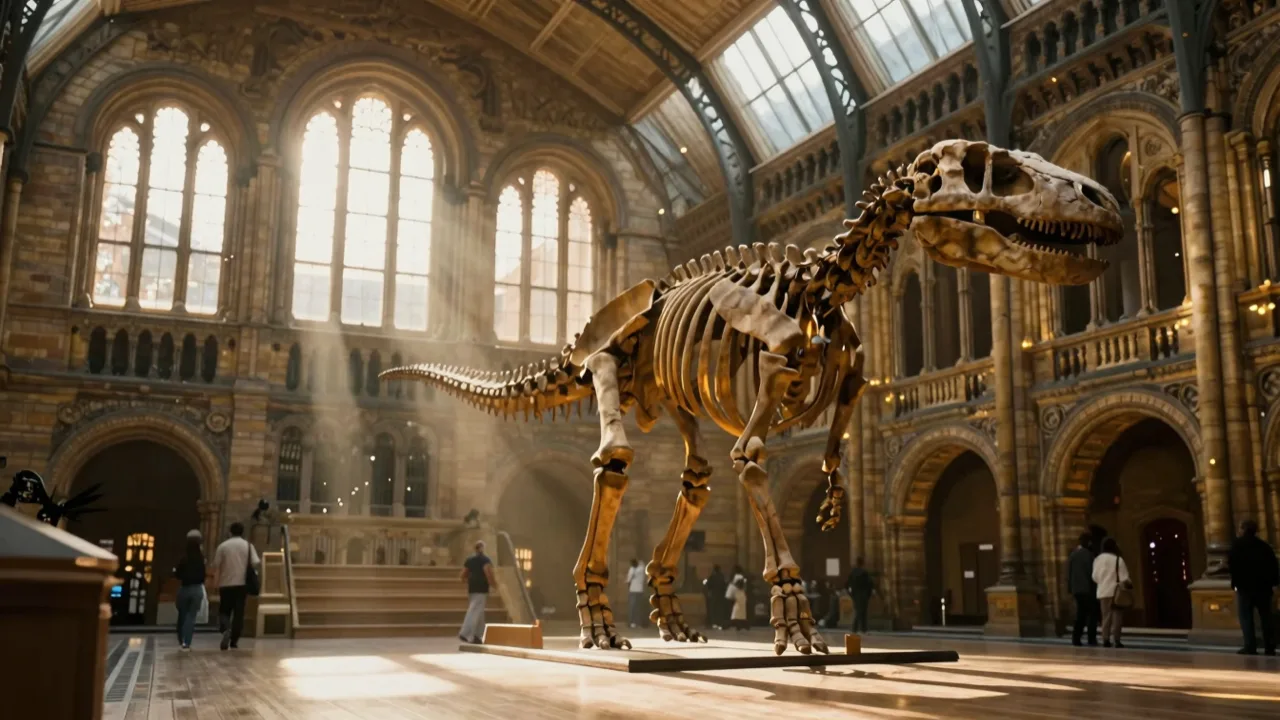
The headline draw is the dinosaur hall, built around mounted casts including a Tyrannosaurus rex, plus a supervised fossil dig pit where children brush away sand to find embedded casts. The live butterfly room is the second favourite: a warm, humid tropical space where free flying butterflies land on shoulders and sleeves, normally included with admission rather than sold separately. Then come the historic wildlife dioramas, painted habitat scenes from the early twentieth century that still hold up better than most giant screen science outings people book for a rainy afternoon. Live animal presentations run through the day, and a glass walled fossil preparation lab lets you watch technicians chip rock away from bone. Anyone who follows the work of animal shelters and rescue organisations will recognise the same careful handling in the museum's live animal team.
Going with kids: ages, snacks and how long to stay
Two to three hours is the honest average, and a half day if you add lunch. The children's discovery centre suits under-eights, with touchable specimens and small live animals, while older children get more out of the fossil galleries. Teachers and parents often notice the same thing: a morning here does more for curiosity than a month of the reading and maths practice program schools assign at home, and it gives context to the skills drilled through the online practice questions kids grind through for homework. Café seating exists but queues at noon, so many families bring something portable, roughly the logic behind the bulk pastry boxes parents stash for day trips.
Parking, transit and arrival
There is a small paid lot behind the building, plus commercial garages within a few blocks, and Parkway street parking that fills fast. City buses run along the Parkway, and it is roughly a fifteen minute walk from the main regional rail station downtown. On event weekends the calculation resembles choosing a park and ride shuttle instead of fighting for a space. Check the forecast first, because the Parkway is exposed and a downpour changes the whole day, the way locals lean on a trusted local weather forecast before committing to an outdoor plan.
The quietest and busiest days
Weekday mornings in term time are calmest, though school groups arrive around ten. Weekends and holiday Mondays are packed. Spring visitors often pair the museum with the city's blossom season, similar to how travellers time trips around peak bloom dates for the cherry trees, while summer brings the same festival crowding you see at big family culture festivals in other cities.
Evenings, adults and the science behind the glass
The Academy runs occasional adults only evenings with bars, talks and access to the galleries without strollers. If you want the exhibit labels to stick afterwards, the same crowd that hunts for a memory support supplement for adults who keep forgetting names and dates also swears by focus audio like the brain song audio track people use to concentrate before studying. The research half of the building matters too: its collections feed work on water quality, biodiversity loss and disease ecology, which is closer to the outbreak reporting that dominates public health news than most visitors assume. Fossil fans usually leave wanting more reading, which is where books built around bones and buried history come in, and a few go further and build home display shelves using downloadable woodworking plans for building your own display cabinet.
People also ask
Where is the Academy of Natural Sciences?
It is at 1900 Benjamin Franklin Parkway in Philadelphia, on the museum corridor near 19th Street, and it is part of Drexel University.
How much are tickets?
Adult general admission has recently run in the low twenties, with lower rates for children, seniors, students and military visitors, and free entry for members. Confirm current pricing on the museum ticket page, since rates change and timed online tickets are usually cheapest.
How long does a visit take?
Two to three hours covers the dinosaur hall, the butterfly room, the dioramas and a live animal show. Families with young children often stretch it to half a day with a lunch break.
Is the butterfly room included in admission?
The live butterfly exhibit is normally included with general admission rather than sold as a separate ticket, though special travelling exhibitions can carry a surcharge.
Is there parking at the Academy of Natural Sciences?
There is a small paid lot behind the building plus nearby garages. Parkway street parking fills quickly, and city buses and a fifteen minute walk from the downtown rail station are reliable alternatives.
