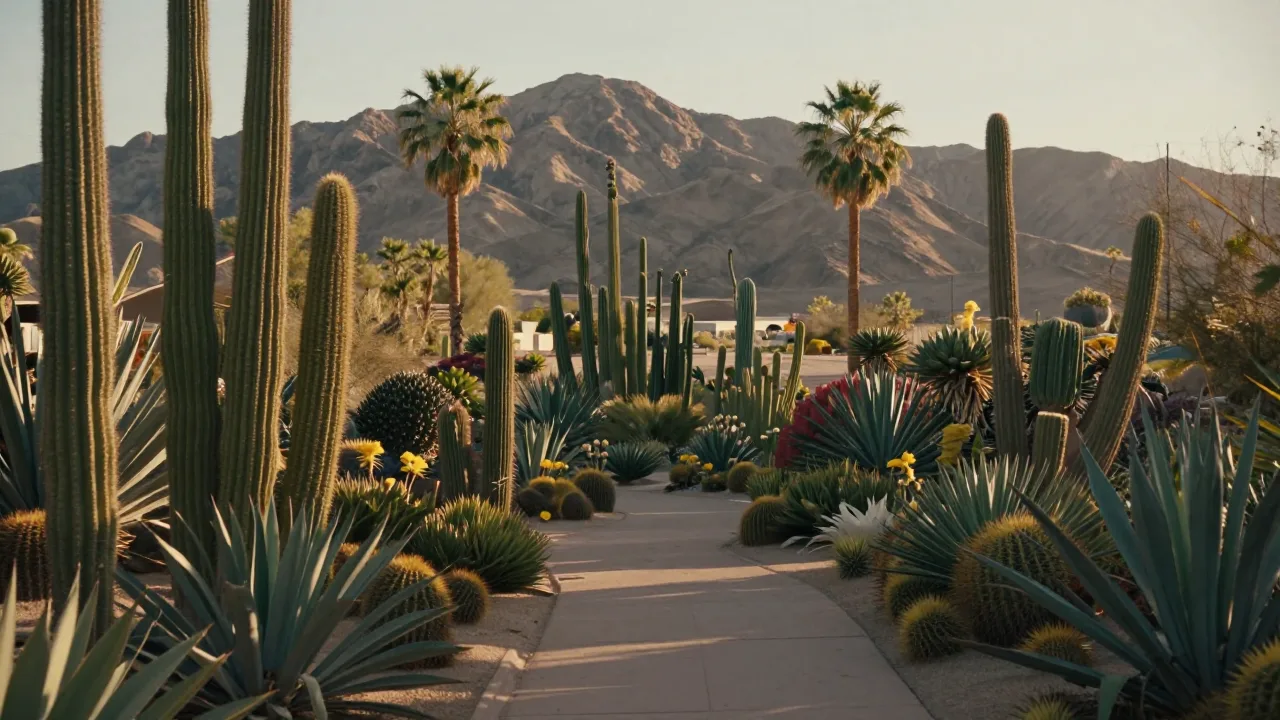
The Living Desert Zoo and Gardens is a zoo and botanical garden at 47900 Portola Avenue in Palm Desert, California. It brings together desert wildlife, plants and walking paths across a large preserve in the Coachella Valley. Visitors come for giraffes and rhinos, then discover that the gardens, mountain views and nature trails can fill much of the day. For families comparing regional animal attractions, this Natural Bridge Zoo visitor guide is a useful companion read.
What is The Living Desert Zoo and Gardens?
The Living Desert focuses on desert environments in North America, Africa and Australia. The park is accredited by the Association of Zoos and Aquariums, and its grounds include more than 150 animal species, desert gardens and hiking trails. The African Safari area includes giraffes, cheetahs, black rhinos, meerkats and African painted dogs. Wild Americas includes bighorn sheep, desert tortoises and regional plant communities. Australian Adventures brings wallabies and emus into the mix.
The gardens matter as much as the animal habitats. Visitors can see Sonoran, Chihuahuan and Mojave desert plants, plus palms, pollinator planting and conservation work at the Desert Plant Conservation Center. Anyone who leaves wanting to grow something at home may enjoy a Medicinal Garden Kit for growing useful herbs at home or a Self Sufficient Backyard guide for planning a productive garden. For a different kind of urban green space, see our guide to Golden Gate Park gardens and attractions.
How much are tickets and when is the zoo open?
The official site lists standard adult admission at $44.95 and child and youth admission at $34.95, while children under 3 enter free. Tickets, special encounters and promotions can change, so buy only through The Living Desert’s official ticket channel. The facility is cashless outside some third-party retail outlets, although reverse ATMs can convert cash to a prepaid card.
From October 1 through May 31, the zoo normally opens daily from 8 a.m. to 5 p.m., with final admission at 4 p.m. Summer hours, June 1 through September 30, are shorter: 7 a.m. to 1:30 p.m., with final admission at 12:30 p.m. That early schedule makes sense in the Coachella Valley heat. A visit here feels very different from a broad city collection such as the Oklahoma City Zoo, where desert weather is less likely to dictate the day.
What should you see first?
Arrive at opening, especially in warmer months. Start with Rhino Savanna, the giraffe habitat and the African Safari trail before temperatures climb. Check the daily schedule at the entrance because keeper talks, giraffe feedings, animal encounters and trail access can shift with weather or animal care needs. The Rhino Encounter and some other experiences require an extra ticket.
| Time of visit | Best focus | Why it works |
|---|---|---|
| Opening hour | African Safari and animal talks | Cooler temperatures and active outdoor viewing |
| Late morning | Gardens, aviaries and model trains | Good places to slow down between habitats |
| Hot afternoon | Indoor exhibits, shade and food stops | Less exposure on open paths |
The model train exhibit, Discovery Center and Tennessity Wildlife Hospital and Conservation Center add variety beyond standard animal viewing. Readers interested in museum-style learning can also explore the Academy of Natural Sciences. toughestblogger also has a look at Panda Fest Chicago 2026 for people tracking animal and family outings in other cities.
Can you visit the gardens without being a serious gardener?
Absolutely. The gardens are a practical lesson in what survives with limited water, intense sun and rocky soil. The Mojave Garden uses Joshua trees and desert tortoises to show a high-desert setting. The Chihuahuan and Upper Colorado gardens show different plant communities, while the Palm Garden makes an easy pause near the entrance.
Garden fans will notice how much a desert landscape changes by season, even without lush lawns or flower beds. That seasonal rhythm is part of the appeal, much like planning around the bloom in our guide to Washington DC cherry trees. For children, keep the day loose. A short stop at the splash pad, carousel or play area may matter more than checking every habitat.
What should families bring?
Bring refillable water bottles, sunscreen, hats and comfortable shoes. Paths include paved areas, but nature trails may be unpaved and their availability can change. Free parking helps, and the zoo provides common visitor services such as restrooms, rentals and water refill stations. Check the day’s map before setting out if someone in your party needs the shortest possible route.
For a family that likes outdoor days, our hiking family trip ideas can help with packing and pacing. Desert heat deserves extra respect, as anyone following the Badwater 135 in Death Valley will understand. Animal care also works best when visitors follow staff directions, a principle shared by organizations such as the San Diego Humane Society and by responsible home enrichment ideas like a catio for safe outdoor cat time.
Is The Living Desert worth a visit?
Yes, especially for travelers who want more than a quick zoo loop. The combination of desert botany, animal habitats and views toward the Santa Rosa Mountains gives it a distinct identity. Plan for several hours, buy tickets from the official source, arrive early and allow the day’s animal schedule to shape your route. The park rewards curiosity, whether that means watching a giraffe feeding, studying desert plants or simply taking a shaded break beside a garden path.
People also ask
How long does it take to visit The Living Desert Zoo and Gardens?
Most visitors should allow three to five hours. A shorter visit can cover major habitats, while a longer day leaves time for gardens, keeper talks, meals and optional encounters.
Is The Living Desert Zoo and Gardens closer to Palm Springs or Palm Desert?
The zoo is in Palm Desert, east of Palm Springs, at 47900 Portola Avenue. It is part of the Coachella Valley and is an easy addition to a Palm Springs area trip.
What animals can you see at The Living Desert?
Highlights include giraffes, black rhinos, cheetahs, meerkats, African painted dogs, bighorn sheep, desert tortoises, wallabies and emus. Animal visibility varies with weather, care routines and the daily schedule.