Was a tortoise really fed cat food for 49 years?
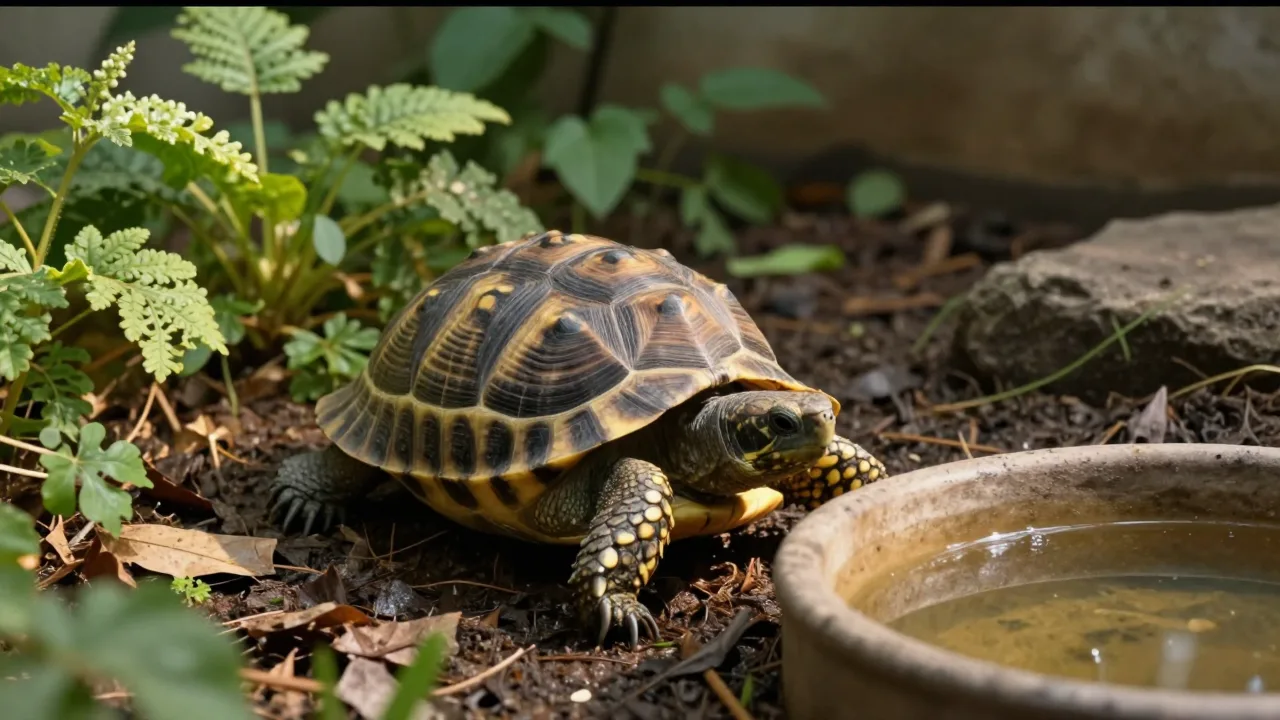
The short answer is that the animal at the center of this search was not technically a tortoise. Rockalina is an Eastern box turtle, a land-dwelling turtle whose story spread widely after reports said she had spent decades on a kitchen floor eating mostly cat food. Public accounts place her removal from the wild in 1977 and her rescue in 2025. The phrase 49 years reflects the calendar span from 1977 to 2026, rather than a precisely documented feeding record for every day of her life.
That distinction matters. A headline can make it sound as if a tortoise thrived on cat food for half a century. Rockalina survived, but survival is not evidence that the conditions were safe. Anyone trying to identify a reptile before giving care should start with reliable animal identification resources, because a box turtle, a true tortoise and an aquatic turtle can need very different housing and diets.
At toughestblogger, the useful answer is not a sensational one: Rockalina’s case is a warning about long-term neglect, not a feeding method to copy.
What is known about Rockalina’s condition?
Reports about her rescue described an Eastern box turtle that had spent years without a natural outdoor habitat. She was said to have been fed cat food, with occasional lettuce or fruit. Rescuers also reported serious health and mobility concerns, including overgrown nails and beak problems, dehydration and skin affecting her eyes. The exact medical assessment belongs to the professionals who treated her, but the broad lesson is clear: an animal can remain alive while still lacking appropriate care.
Box turtles need more than a dish of food. They need clean water, humidity, shelter, suitable substrate, temperature management and space to behave naturally. The containment ideas behind secure outdoor catio designs can be useful inspiration for preventing escapes, although a turtle enclosure must be built around reptile-specific needs. If a family can no longer provide that care, contacting a licensed reptile veterinarian, rescue group or local humane society surrender service is safer than passing the animal informally to an unprepared owner.
Why is cat food a poor long-term choice for a box turtle?
Eastern box turtles are omnivores. In the wild, they may eat insects, worms, snails, fungi, fruit and other available foods. Commercial cat food is formulated for cats, not reptiles. Veterinary care guidance commonly warns that it can be too high in fat and phosphorus to use as a regular box turtle diet. A food being eagerly eaten does not mean it meets the animal’s nutritional needs.
| Care question | Practical answer |
|---|---|
| Can cat food be the staple? | No, seek reptile-veterinary guidance instead. |
| What does a box turtle need? | A varied, species-appropriate mix of plant and animal foods. |
| Is one viral case a care guide? | No, it shows why long-term care should be reviewed. |
Animal diets are not interchangeable. The seasonal food demands behind Fat Bear survival stories are specific to bears, just as a pelican’s fish-based feeding habits are specific to birds. A box turtle has its own biology. It should also not receive human snack leftovers such as spicy chili lime chips, seasoned chipotle chips or sweet pumpkin cream cheese muffins.
What changed after the rescue?
Rockalina was transferred to specialist care and was gradually introduced to water, suitable food and a more natural setting. Her story resonated because it showed a visible contrast between a slick indoor floor and an environment with soil, plants, shelter and sunlight. It also underlined why removing wild animals from their habitat can create a decades-long responsibility.
If you encounter a box turtle outdoors, do not assume it needs to become a pet. A wildlife encounter during a family hike is usually a reason to observe from a respectful distance. If the animal faces immediate danger, local wildlife authorities can explain the lawful next step. Wildlife facilities, including places discussed in a zoo visitor guide focused on animal welfare, can also help readers understand why professional standards matter.
What should an owner do if a turtle has eaten cat food?
Do not panic over a single accidental bite, but do not keep serving cat food as the routine meal. Photograph the animal, note what it ate and when, ensure access to shallow clean water, and arrange advice from an experienced reptile veterinarian. Do not suddenly medicate it, force-feed it or release it somewhere unfamiliar. A proper assessment can account for the species, age, weight, environment and any signs of illness.
Creating a safer outdoor setup can overlap with Self Sufficient Backyard plans for a pesticide-aware home garden, but a garden project is not a substitute for a secure, species-appropriate enclosure. Likewise, a Medicinal Garden Kit guide for growing home herbs is not a treatment plan for eye, shell or mobility problems. Rockalina’s story is compelling because she got specialist help. That is the part worth repeating.
People also ask
Was Rockalina a tortoise?
No. Rockalina is widely identified as an Eastern box turtle. Box turtles live mainly on land, but they are biologically turtles rather than true tortoises.
Did Rockalina eat only cat food for 49 years?
Reports describe cat food as her main diet, with occasional lettuce or fruit. The 49-year wording is a shorthand based on the period from 1977 to 2026, not a complete veterinary feeding log.
Can I feed cat food to a box turtle?
Cat food should not be a regular diet for a box turtle. Ask a reptile veterinarian for species-specific feeding advice, especially if the animal has eaten it repeatedly.